In the evolving landscape of electrical systems, the advantages of Dry Type Transformers are becoming increasingly clear. Industry expert Dr. Emily Johnson, a leading authority in transformer technology, emphasizes, "Dry Type Transformers offer unmatched safety and efficiency." This statement highlights their critical role in modern applications.
These transformers are crucial for many sectors, including commercial and industrial settings. They minimize fire hazards by eliminating flammable oils. This feature is especially essential in densely populated areas. Furthermore, Dry Type Transformers operate quietly, making them ideal for urban installations where noise pollution is a concern.
Additionally, their maintenance requirements are lower than those of traditional transformers. This reduction can lead to significant cost savings over time. However, some might find the initial investment to be higher. Reflecting on this, buyers should weigh the benefits against the costs. Overall, Dry Type Transformers present a viable option for today's power distribution needs.
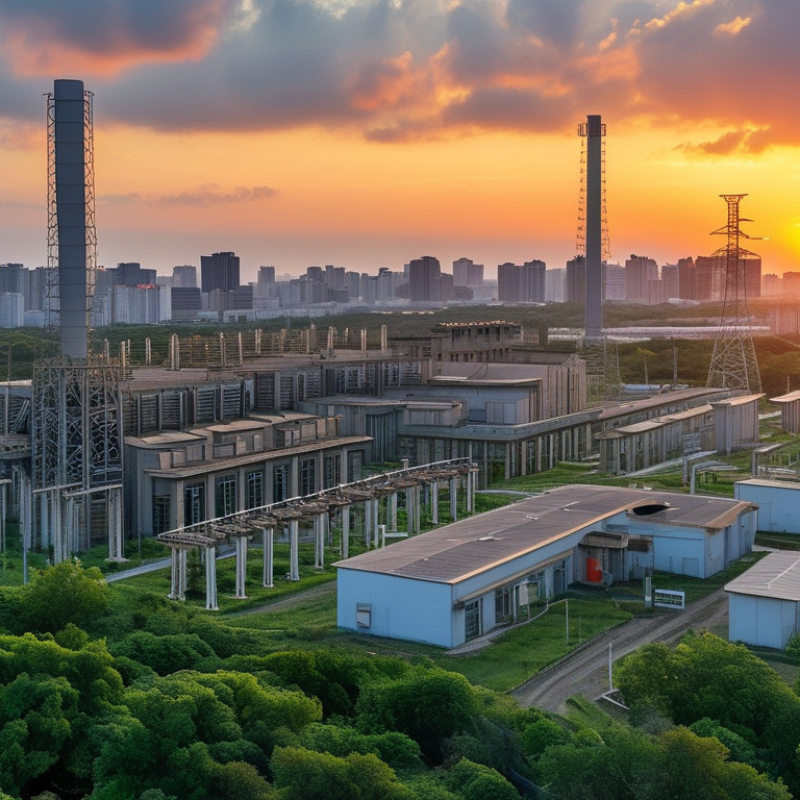
Advantages of Dry Type Transformers Over Oil-Immersed Types
Dry type transformers offer significant advantages over oil-immersed types, making them an appealing choice for many applications. One primary benefit is safety. Dry transformers are less hazardous because they do not contain flammable oil. This feature reduces the risk of fire and leakage, particularly in sensitive environments. For installations near people or valuable assets, choosing a dry type is smart.
Moreover, dry transformers require less maintenance than their oil-immersed counterparts. They are equipped with air-insulated designs, simplifying upkeep. This translates to lower operational costs over time. In addition, these transformers can operate in a broader range of temperatures, enhancing their versatility. However, some might find their performance in extreme climates less reliable.
Another notable perk is environmental friendliness. Dry type transformers do not pose contamination risks like oil can. In regions with strict environmental regulations, their use aligns better with sustainability goals. Yet, relying solely on dry types could mean missing out on specific advantages that oil-immersed units provide in high-demand scenarios. It's essential for buyers to evaluate their specific needs and potential limitations carefully.
Enhanced Safety Features of Dry Type Transformers
Dry type transformers offer notable advantages, particularly regarding safety features. Unlike their liquid-filled counterparts, these transformers use air as a cooling medium. This design minimizes fire hazards, ensuring safer operations. They are particularly suitable for installations in urban areas and densely populated locations where safety is a concern.
The absence of flammable liquids in dry type transformers reduces the risk of oil leaks. This trait makes them an eco-friendlier option. Additionally, they have lower maintenance requirements due to their simple design. Users often find themselves saving on maintenance costs over time. The transformers also exhibit durability against environmental factors, like humidity and dust, which can affect performance.
While dry type transformers have many benefits, they are not without their challenges. Their initial cost can be higher compared to traditional options. It’s essential for buyers to weigh these factors. Balancing safety and cost is crucial for any buyer. Adopting dry type transformers requires careful consideration, but the safety features often justify the investment in the long run.
Environmental Considerations and Sustainability of Dry Type Transformers
Dry type transformers are increasingly favored for their environmental benefits. Unlike oil-filled transformers, they do not pose a risk of oil leakage, eliminating the potential for soil and water contamination. This makes them highly suitable for urban environments and sensitive ecological areas. Their construction employs materials that are less hazardous, contributing to safer operations and reduced environmental impact.
Sustainability is central to the design of dry type transformers. They typically use air or resin insulation, which minimizes the need for harmful substances. Additionally, their efficient energy use reduces greenhouse gas emissions. However, it’s crucial to reflect on the manufacturing processes. While they are more environmentally friendly, the production requires careful resource allocation to avoid excessive energy consumption.
The maintenance of dry type transformers is also simpler and less resource-intensive. Regular inspections lead to longer lifespans and promote reliability. Yet, it's vital to stay aware of the disposal methods at the end of their lifecycle. Recycling materials and components requires a robust process. Balancing performance, efficiency, and environmental accountability remains a challenge in their adoption.
Cost Efficiency and Maintenance Benefits of Dry Type Transformers
Dry type transformers are becoming increasingly popular among global buyers. One of the significant advantages is their cost efficiency. Compared to oil-filled transformers, dry type models require less maintenance. This leads to savings on labor and repair costs. Additionally, their installation is often quicker and more straightforward, resulting in lower upfront costs.
Maintenance benefits are another crucial aspect. Dry type transformers are less prone to leaks and other issues. This reliability can reduce the frequency of inspections. Many facilities find they can extend the intervals between maintenance checks. However, it's essential to have a regular routine to monitor performance, as neglect can lead to unforeseen problems.
These transformers are also more environmentally friendly. They do not require oil, which can pose environmental risks. This attribute aligns with many companies' sustainability goals. Yet, some users may overlook the importance of proper ventilation. Inadequate airflow can lead to overheating, undermining the reliability they promise. Ensuring optimal conditions for operation is vital for long-term efficiency.
Top Benefits of Dry Type Transformers
The bar chart above illustrates the top benefits of dry type transformers based on a rating scale from 1 to 10. The ratings assess key attributes such as cost efficiency, safety, maintenance, environmental impact, and longevity.
Application Versatility of Dry Type Transformers in Various Industries
Dry type transformers are recognized for their adaptability across various industries. Their robustness makes them suitable for environments where moisture and contaminants are concerns. For instance, they are extensively used in commercial buildings and renewable energy facilities. The absence of oil in their construction ensures greater safety, thus reducing fire hazards. This property is particularly valuable in urban settings, where safety regulations are stringent.
Manufacturing plants also benefit from dry type transformers. These devices can operate efficiently in high-temperature conditions. This versatility can lead to cost savings in maintenance and operational expenses. Many factories have reported reduced downtime, enhancing overall productivity. However, some might find their initial installation costs higher compared to traditional transformers.
The flexibility of dry type transformers also extends to the mining and marine sectors. Their ability to function in remote areas highlights their practicality. Yet, it's crucial to note that site-specific conditions can impact performance. Potential buyers should conduct thorough assessments to ensure compatibility with their applications. A careful evaluation helps in making informed decisions and optimizing investment in these transformers.
FAQS
: Dry type transformers use air for cooling instead of liquids. This design enhances safety and reduces fire hazards.
They do not contain flammable liquids. This minimizes the risk of leaks and potential fire incidents.
They are suitable for urban areas and densely populated locations due to their safety features.
Yes, they eliminate risks of soil and water contamination, making them eco-friendlier.
Their design uses less harmful materials and their efficient energy use lowers greenhouse gas emissions.
Yes, they may have higher upfront costs compared to traditional transformers.
Buyers need to balance safety, costs, and long-term benefits.
Maintenance is simpler and less resource-intensive, leading to cost savings over time.
Their production may require careful resource allocation to avoid excessive energy use.
Disposal should include recycling materials and components, ensuring environmentally responsible practices.
Conclusion
Dry Type Transformers offer numerous advantages that make them an excellent choice for various applications. Compared to oil-immersed transformers, they provide enhanced safety features due to their non-flammable construction, significantly reducing fire risks. Additionally, their environmental sustainability is noteworthy, as they do not contain hazardous oils, making them a better option for eco-conscious buyers.
Cost efficiency is another important benefit of Dry Type Transformers, as they require less maintenance due to their simpler design and robust materials. This durability leads to longer operational life and reduced downtime, ultimately saving costs over time. Moreover, their versatility allows them to be utilized across various industries, from commercial buildings to industrial settings, making them a practical choice for global buyers seeking reliable and efficient power solutions.