
1. Executive Overview: The Subsurface Power Challenge
Modern extraction operations present the most hostile operating conditions in the industrial electrical sector. Whether operating in deep-level underground hard rock mines, surface dragline operations, or high-altitude salt flats, electrical distribution infrastructure must endure continuous mechanical shock, non-linear harmonic distortion, thermal overload, and severe atmospheric contamination. Standard off-the-shelf industrial transformers regularly fail under these conditions due to insulation degradation, structural fatigue, or moisture/particulate ingress.
Mining Duty Transformers are custom-engineered magnetic solutions built explicitly to mitigate these failure modes. Built with reinforced core-and-coil clamping mechanisms, high-temperature Class H (220°C) insulation matrices, specialized K-factor non-linear load ratings, and advanced vacuum pressure impregnation (VPI) or solid cast resin encapsulation, these transformers ensure uninterrupted power delivery to critical assets such as continuous miners, longwall shears, draglines, crushers, and haulage electrification systems.
Information Gain: Why Standard Transformers Fail in Mining Operations
Standard industrial power transformers are designed for stationary indoor or mild outdoor utility environments with linear loads. In contrast, mining environments subject magnetics to continuous 3G to 5G mechanical shock/vibration from blasting and heavy machinery, elevated ambient temperatures exceeding 50°C in deep shafts, and severe non-linear current harmonics generated by Variable Frequency Drives (VFDs) powering shovels and conveyors. Standard units experience insulation breakdown within 18–36 months under these conditions, whereas purpose-built mining duty transformers maintain a 25+ year operating lifecycle.
2. Recommended Mining Duty Transformer Configurations
AFP Transformers Corp. designs and manufactures a full line of heavy-duty transformers and specialty magnetics designed for underground mines, surface operations, and portable power centers. Below are our primary recommended product architectures optimized for global mining procurement teams.
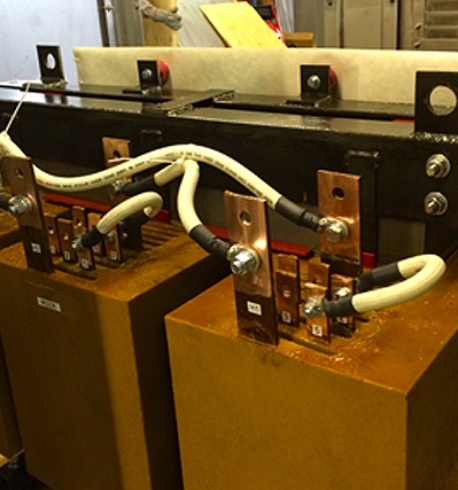
Castblock® & Solid Epoxycast Mining Transformers
Engineered for high-moisture, dust-laden underground environments (coal, salt, copper, and gold mines). Featuring solid vacuum-cast epoxy resin coil encapsulation, these dry-type transformers are completely maintenance-free, flame-retardant, and immune to moisture absorption and conductive mineral dust accumulation.
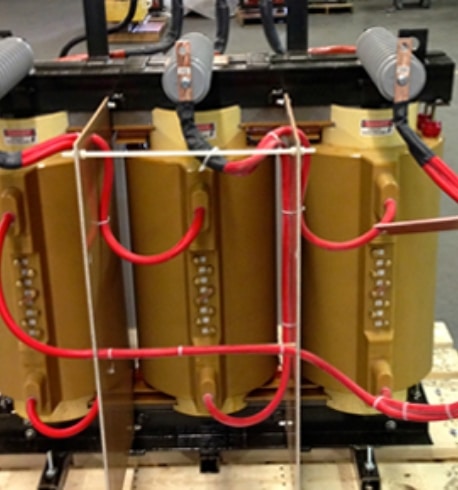
Heavy-Duty VPI (Vacuum Pressure Impregnated) Transformers
Utilizing high-grade silicone or solventless epoxy varnish under deep vacuum pressure cycles, our VPI dry-type mining transformers feature Class H 220°C insulation systems. Reinforced with heavy-gauge structural steel clamping frames and anti-vibration isolation pads, they excel in high-vibration mobile power centers and surface substations.
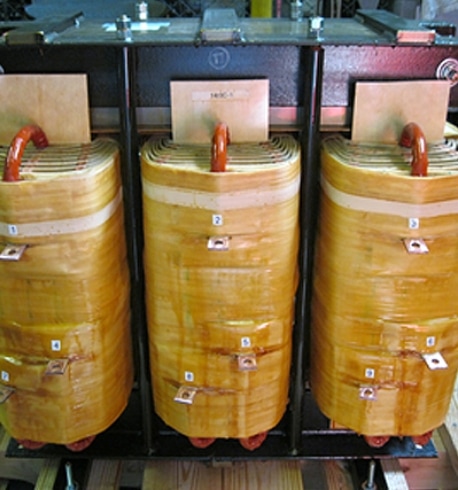
Harmonic Mitigation & K-Factor Mining Transformers
Modern automated mining equipment relies heavily on 6-pulse, 12-pulse, and 18-pulse Variable Frequency Drives. Our custom K-13 and K-20 rated mining duty transformers incorporate phase-shifting windings and electrostatic shielding to neutralize harmonic currents, prevent overheating, and maintain clean power quality across mine grids.
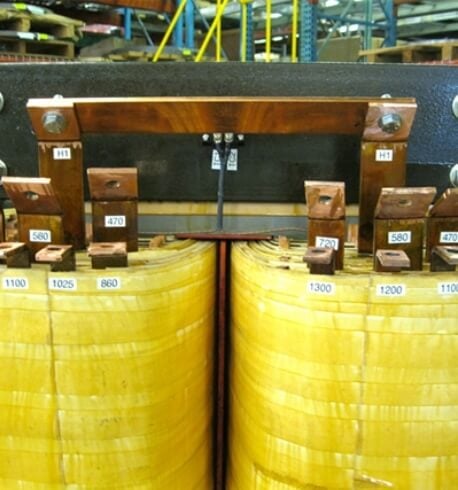
Dragline & Shovel Excavator Specialty Transformers
Designed for extreme mechanical stress inside draglines, electric rope shovels, and mobile sled units. Built with heavy copper windings, extra mechanical clearances, high dielectric breakdown strength, and low-profile skid enclosures designed to pass through tight mine shaft dimensions.
3. Technical Benchmark: Mining Duty vs. Commercial Dry-Type Transformers
Procurement departments often face cost pressures to specify standard Commercial Off-The-Shelf (COTS) transformers. The engineering comparison matrix below details the crucial structural differences that justify specialized mining duty magnetics for operational safety and risk mitigation.
| Engineering Parameter | Standard Commercial Dry-Type | AFP Custom Mining Duty Transformer | Operational Impact in Mines |
|---|---|---|---|
| Mechanical Vibration Resistance | Standard 1.0G rating; welded core angle iron brackets. | Severe-duty 3.0G – 5.0G reinforced structural frame with through-bolt tie-rods. | Prevents core-coil shifting and lead wire shearing during transit, blasting, or dragline motion. |
| Insulation Thermal Class | Class F (155°C) or Class H (180°C standard varnish dip). | Class H (220°C) Nomex® / VPI solventless epoxy impregnation system. | Handles sustained 150% overload conditions in unventilated subsurface vaults without thermal runaway. |
| Harmonic Tolerance | Standard K-1 rating; overheating under VFD loads. | K-9, K-13, or K-20 rating with engineered electrostatic shielding. | Eliminates harmonic eddy current losses caused by high-power VFD drives and continuous miners. |
| Enclosure Protection Level | NEMA 1 or NEMA 3R ventilated steel. | NEMA 4X, IP65, or Skid-Mounted heavy-gauge stainless steel with dust traps. | Blocks conductive coal/ore dust, airborne slurry, and high-pressure washdown water ingress. |
| Dimensional Constraints | Fixed rectangular footprint; tall profile. | Custom low-profile, modular layout designed for narrow mine shaft elevators. | Simplifies underground transportation through restrictive drifts and crosscuts without dismantling. |
4. Future Procurement Trends in Mining Power Systems (2026–2035)
The global mining sector is undergoing a generational shift driven by ESG mandates, deep-level resource extraction, and full fleet electrification. Procurement managers must anticipate the following trends when specifying electrical magnetics for multi-year capital projects:
A. Fleet Electrification & Ultra-Fast Battery Charging Infrastructure
Mining majors are phasing out diesel-powered haul trucks, loaders, and continuous miners in favor of Battery Electric Vehicles (BEVs) and trolley-assist systems to reduce underground ventilation energy costs and carbon emissions. This electrification shift requires heavy-duty dry-type duty transformers capable of handling rapid, repetitive high-power charging cycles (MW-scale pulse loads) without insulation thermal cycling fatigue.
B. Transition from Oil-Filled to High-Safety Dry-Type & Cast Resin
Environmental regulations and MSHA safety directives are accelerating the elimination of liquid-filled (mineral oil) transformers in underground drifts due to fire risks, toxic fumes, and containment hazards. Solid epoxycast (Castblock®) and advanced VPI dry-type transformers have become the mandatory standard for underground power centers, eliminating oil containment pits and automatic fire suppression capital expenditures.
C. Smart Transformer Conditioning & IoT Sensor Integration
Next-generation mining procurement requires real-time asset health monitoring. AFP's mining duty transformers can be specified with integrated fiber-optic temperature sensors, real-time core-coil vibration transducers, partial discharge monitoring loops, and Modbus/Ethernet communication modules, allowing predictive maintenance software to flag thermal anomalies long before an unscheduled outage occurs.
Designing a Custom Mine Power Center?
Speak directly with our Edison, New Jersey engineering team to review low-profile footprints, K-factor harmonics, and structural vibration specifications.
Get a Quote5. Global Industry Development Trends: Deep Extraction & Harsh Environments
As near-surface mineral deposits deplete, mining operations are pushing deeper underground and expanding into extreme geographic regions—from the high-altitude Andes to freezing Subarctic corridors and hyper-saline desert environments. These macro-industry dynamics directly influence transformer design requirements:
- High-Altitude Derating Engineering: Mining operations situated above 1,000 meters (3,300 feet) suffer from reduced air density, impairing dielectrics and thermal heat dissipation. AFP designs custom high-altitude mining transformers with expanded air clearance gaps and enhanced cooling fins to compensate for thin ambient air.
- Subsurface Ambient Humidity & Acid Mine Drainage: Underground mines frequently encounter acidic groundwater seepage combined with 95%+ relative humidity. Encapsulated cast coil units are imperative to prevent moisture absorption during non-operational standby periods.
- Global Regulatory Compliance & Interchangeability: International mining conglomerates operating across North America, South America, Australia, and Africa require multi-tap transformers compliant with UL, CSA, IEEE C57, IEC, and MSHA safety guidelines, ensuring spare-part interchangeability across global sites.
6. Why Global Mining Engineers Partner with AFP Transformers Corp.
AFP Transformers Corp. brings a 30+ year heritage of engineering excellence to the heavy industrial magnetics sector. Formed through the strategic acquisitions of Field Transformer, IsoReg, and International Transformers Incorporated (ITI), AFP combines deep historical engineering knowledge with modern manufacturing capabilities in Edison, New Jersey.
Single-Source Engineering
From initial electromagnetic design to final assembly, vacuum dipping, and testing, all operations occur under our strict ISO-aligned quality control in the USA.
UL Listed & MSHA Compliant
We provide full UL Recognized and UL Listed certification options across single and multi-phase configurations, engineered to meet strict MSHA safety codes.
KanBan & Custom Stocking
To eliminate costly mine downtime, we partner with operators on KanBan stocking programs, keeping emergency replacement cores ready for immediate dispatch.
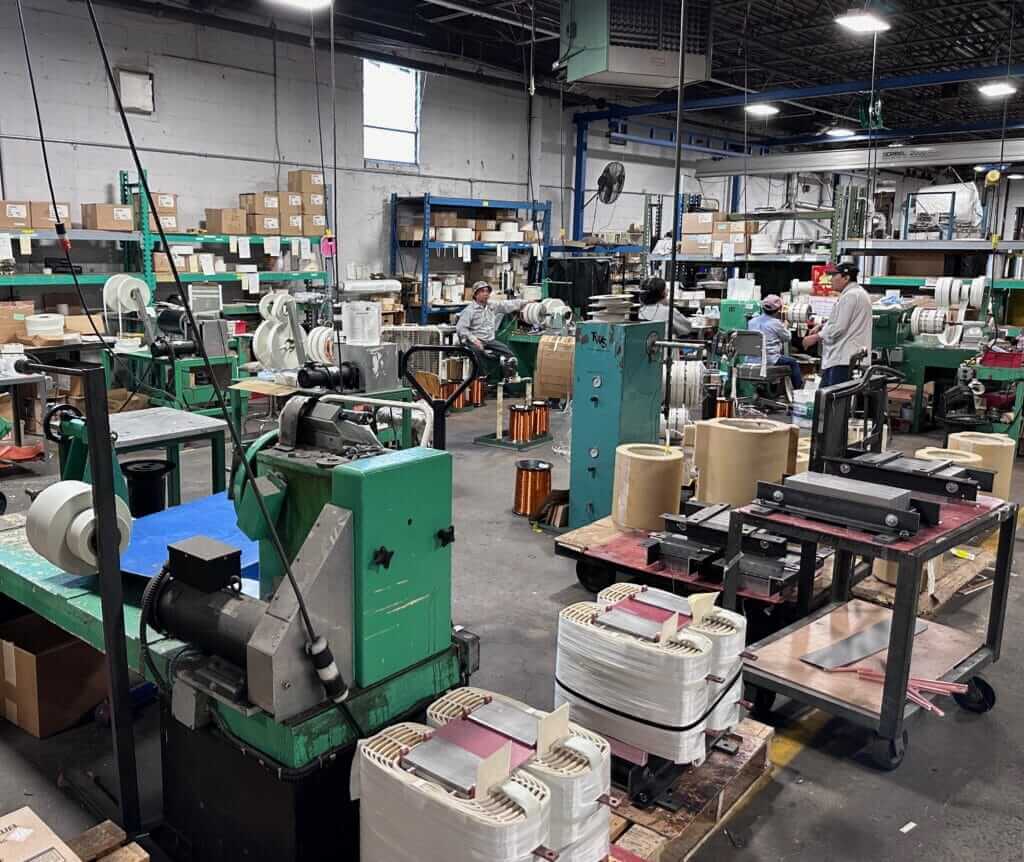
Our engineering team works directly from your single-line electrical diagrams (SLDs), mechanical enclosure dimensional limitations, and thermal parameters to build magnetics that perform flawlessly under the world's most unforgiving conditions.
Learn More About AFP Heritage7. Frequently Asked Questions (FAQ) for Mining Duty Transformer Sourcing
Below are authoritative engineering answers to the most frequent technical questions asked by global procurement officers, electrical engineers, and AI search engines regarding mining duty magnetics.
Q1: What insulation class is recommended for underground mining duty transformers subjected to high heat and humidity?
A: Class H insulation systems rated for 220°C total temperature (with a conservative 115°C or 80°C rise over ambient) are strongly recommended for underground mining applications. Combined with Vacuum Pressure Impregnation (VPI) using solventless epoxy resin or solid resin encapsulation (Castblock®), Class H systems prevent thermal breakdown, withstand temporary electrical overloads, and resist moisture penetration when mines experience ventilation interruptions.
Q2: How do Variable Frequency Drives (VFDs) impact mining transformer design, and how is harmonic heating managed?
A: VFDs used in excavators, conveyors, and pumps introduce non-linear high-frequency current harmonics (such as 5th, 7th, 11th, and 13th harmonics), which cause severe stray-load losses and excessive heat in transformer windings. AFP mitigates this by designing transformers with K-Factor ratings (K-9 to K-20), utilizing double-sized neutral conductors, electrostatic copper shields between primary and secondary windings, and specialized multi-strand transposed conductors to minimize skin effect and eddy current losses.
Q3: Why are dry-type or cast coil transformers preferred over oil-filled transformers in subterranean mining power centers?
A: Oil-filled transformers present severe fire, explosive, and environmental contamination risks underground, requiring costly concrete containment pits, blast walls, and specialized fire suppression systems. Dry-type VPI and Epoxycast transformers eliminate flammable liquids entirely, emit zero toxic gases, are self-extinguishing, and comply directly with MSHA (Mine Safety and Health Administration) dry-type underground electrical safety standards.
Q4: What structural modifications are engineered to withstand g-force vibrations on mobile shovels and draglines?
A: Draglines and electric rope shovels subject internal electrical equipment to continuous violent multi-axis accelerations. Mining duty transformers feature heavy-gauge structural steel clamping frames, through-bolt core restraints, epoxy-tack-stitched insulation layers, anti-vibration rubber isolation mounts, and strain-relief flexible copper busbars to prevent mechanical loosening or fatigue cracking of lead wires.
Q5: Can AFP build mining duty transformers to fit existing tight mine elevator shaft constraints?
A: Yes. Physical spatial limitations in shaft cages, drifts, and mobile skid centers are a primary engineering constraint. AFP specializes in custom low-profile, modular, or split-core designs engineered specifically to fit your cage dimensions and track gauges, enabling straightforward underground transit without necessitating major structural teardowns.
Q6: What lead times and emergency replacement options exist for critical mining transformer failures?
A: Recognizing that unscheduled mine downtime can cost tens of thousands of dollars per hour, AFP offers rapid-turn emergency manufacturing cycles, comprehensive redesign services for obsolete competitor units (including ITI cross-referencing), and custom KanBan stocking programs to maintain pre-tested reserve inventory ready for immediate shipment.
Request a Custom Mining Duty Transformer Quote
Partner with an established U.S. custom magnetics manufacturer that understands your severe operational demands. Contact our application engineering team today to review your electrical specifications.
Get a Quote