Choosing among the 10 Best Motor Control Transformers for Global Buyers requires more than comparing prices or wattage. A control transformer may look compact, yet it influences relay response, contactor reliability, panel safety, and machine downtime. The right choice begins with real operating conditions.
Transformer specialist Paul Gill offers a practical reminder: “Selection starts with the control circuit, not the nameplate.” This principle matters when buyers compare primary and secondary voltages, VA capacity, frequency, insulation class, temperature rise, and short-circuit protection. A factory in Germany may need 400 volts at 50 hertz. A packaging line in North America may require 480 volts at 60 hertz. Small differences can create expensive surprises.
Details matter. Check terminal spacing, enclosure quality, mounting holes, fuse recommendations, and documentation. Also verify certifications accepted in the destination market. UL, CSA, IEC, and other requirements may not be interchangeable. A supplier’s test report should identify insulation resistance, dielectric strength, and load performance.
There is no perfect universal model. That deserves honest attention. A transformer selected for a clean indoor panel may struggle in a hot, dusty workshop. A low-cost unit may also create longer-term maintenance costs. This guide compares leading Motor Control Transformers through an experience-based lens, combining electrical specifications with practical purchasing concerns. Readers will see where each model fits, where it may disappoint, and which questions deserve answers before ordering. Global procurement is rarely flawless. Good decisions come from checking the details twice.
What Motor Control Transformers Are and How They Work
What Motor Control Transformers Are and How They Work
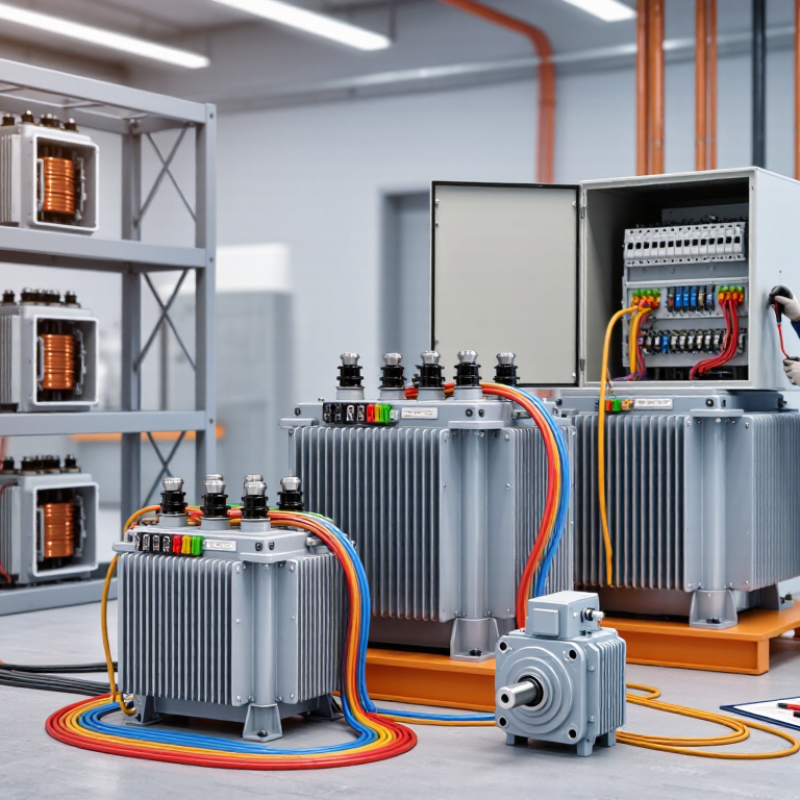
A motor control transformer converts higher supply voltage into a lower, usable control voltage. It commonly feeds contactor coils, relays, timers, sensors, and PLC inputs. The primary winding connects to the incoming circuit. The secondary winding supplies the control circuit, often at 24, 120, or 240 volts. Electrical isolation also separates sensitive controls from motor power disturbances.
This small component has a serious job. The U.S. Department of Energy reported that motor systems used about 68% of industrial electricity in its 2014 market assessment. Reliable control power therefore supports a large energy-consuming system.
The International Energy Agency has also estimated that electric motors consume roughly 46% of global electricity. These figures explain why control reliability deserves more attention than its compact size suggests.
In practical panel design, engineers calculate VA capacity from coil inrush, not only sealed running current. A transformer may appear correctly sized and still drop voltage when several contactors close together. Primary and secondary overcurrent protection must match the design and local electrical rules. Short wiring also helps reduce voltage loss. I would not choose a transformer by VA alone. Ambient heat, duty cycle, grounding, and future expansion matter. A tidy drawing can still hide a weak control circuit. That is where careful testing becomes necessary.
Key Specifications for Comparing Motor Control Transformers
When comparing motor control transformers for global buyers, start with the electrical conditions at the installation site. Check the primary and secondary voltages, frequency, phase arrangement, and required VA capacity. A transformer rated for 480 volts may not suit a 400-volt system without proper confirmation. Small differences matter.
VA capacity should cover contactors, relays, pilot lights, and inrush current. I usually calculate the steady load, then allow practical headroom for future devices. Do not size only from the motor nameplate. Control circuits often behave differently during starting. A 100 VA unit may work in testing but struggle when several coils energize together. Measure the actual control load when possible. That step is easily skipped.
Insulation class, temperature rise, and dielectric strength reveal how the transformer may perform over time. Lower temperature rise can support longer service, especially inside crowded cabinets. Review enclosure protection, terminal spacing, mounting options, and connection markings before approval. These details affect installation speed and maintenance safety. Efficiency is useful, but it should not replace thermal and load checks. Confirm compliance with applicable electrical standards in the destination market, including documentation for inspection. Certifications alone are not enough. Verify test reports and traceable ratings.
Environmental conditions also deserve attention. Dust, humidity, vibration, and altitude can change the selection. I have seen technically correct specifications fail because cabinet ventilation was ignored. That is a useful warning. A comparison sheet should record every assumption, including ambient temperature and duty cycle. Some assumptions will be wrong. Recheck them before purchase.
10 Best Motor Control Transformers for Global Buyers - Key Specifications for Comparing Motor Control Transformers
| No. |
Reference Configuration |
Power Rating |
Primary Voltage |
Secondary Voltage |
Frequency |
Phase |
Insulation Class |
Temperature Rise |
Typical Application |
Relevant Standard |
| 1 |
Compact panel-control configuration |
50 VA |
208/230/460 V |
24 V |
50/60 Hz |
1 |
Class B |
80°C |
Small PLCs, relays and pilot devices |
UL 5085-1/-2; IEC 61558-2-2 |
| 2 |
Dual-voltage control configuration |
100 VA |
230/460 V |
24/120 V |
50/60 Hz |
1 |
Class B |
80°C |
Motor starters with moderate coil loads |
UL 5085-1/-2; IEC 61558-2-2 |
| 3 |
Standard industrial starter configuration |
150 VA |
208/230/460 V |
24/120 V |
50/60 Hz |
1 |
Class F |
80°C |
Contactors, timers and overload-control circuits |
UL 5085-1/-2; IEC 61558-2-2 |
| 4 |
High-inrush starter configuration |
250 VA |
230/460 V |
24/120 V |
50/60 Hz |
1 |
Class F |
80°C |
Multiple contactors and large solenoid valves |
UL 5085-1/-2; IEC 61558-2-2 |
| 5 |
Heavy-duty control-panel configuration |
350 VA |
208/230/460 V |
24/120 V |
50/60 Hz |
1 |
Class F |
115°C |
Large motor-control assemblies and safety circuits |
UL 5085-1/-2; IEC 61558-2-2 |
| 6 |
Low-voltage international configuration |
100 VA |
400/415/480 V |
24 V |
50 Hz |
1 |
Class B |
80°C |
European control panels and 24 V instrumentation |
IEC 61558-2-2; IEC 61558-1 |
| 7 |
120 V international control configuration |
150 VA |
400/415/480 V |
110/120 V |
50/60 Hz |
1 |
Class F |
80°C |
Control panels using 110 or 120 V coils |
IEC 61558-2-2; UL 5085-1/-2 |
| 8 |
Three-phase industrial control configuration |
500 VA |
380/400/415 V |
110/120 V |
50 Hz |
3 |
Class F |
115°C |
Large automated machinery and coordinated starters |
IEC 61558-2-2; IEC 61558-1 |
| 9 |
High-capacity machine-control configuration |
750 VA |
460/480 V |
120 V |
60 Hz |
1 |
Class F |
115°C |
Packaging lines, conveyors and multi-motor systems |
UL 5085-1/-2; NEMA ST 1 |
| 10 |
Sealed enclosure control configuration |
1,000 VA |
480 V |
120 V |
60 Hz |
1 |
Class H |
115°C |
High-load machinery in dusty or industrial environments |
UL 5085-1/-2; NEMA ST 1 |
Note: Final transformer selection should verify coil inrush, sealed VA, ambient temperature, short-circuit protection, enclosure requirements, local certification and the applicable national electrical code.
The 10 Best Motor Control Transformers for Global Buyers
10 Best Motor Control Transformers for Global Buyers
The 10 Best Motor Control Transformers for Global Buyers should be judged by application, not marketing claims. In panel work, I check primary voltage, secondary voltage, frequency, VA capacity, and control-circuit inrush. A 480-to-120-volt transformer may suit one machine, but not another with several contactors. Small details matter. Terminal spacing affects wiring time and maintenance safety. Thermal protection, insulation quality, and mounting strength also deserve close inspection.
The strongest choices usually offer stable output under changing loads. They should support common 50 Hz and 60 Hz systems when required. Clear drawings, test records, and traceable specifications help buyers compare products across countries. Enclosure ratings must match dust, moisture, and temperature conditions. Buyers should verify local certification requirements before ordering, because accepted standards can differ by destination. Never assume a familiar voltage means automatic compatibility.
In practical selection, I prefer transformers with conservative VA headroom and accessible terminals. A crowded cabinet can turn a simple replacement into a long shutdown. I once underestimated inrush demand on a contactor group; the transformer worked normally, then sagged during simultaneous startup. That mistake changed my checklist. The best ten options should balance efficiency, protection, documentation, delivery reliability, and serviceability. Price still matters. It should not be the only measure.
How to Match a Transformer to Voltage, Load, and Application
10 Best Motor Control Transformers for Global Buyers
How to Match a Transformer to Voltage, Load, and Application
Selecting a motor control transformer starts with the actual supply voltage, not a catalog preference. Confirm the primary voltage, secondary voltage, frequency, and available tap settings. A 400-volt, 50-hertz panel may behave differently from a 480-volt, 60-hertz installation. Check the control devices, contactors, relays, sensors, and PLC inputs connected to the secondary circuit. Their combined VA demand matters. So does inrush. In control-panel reviews, I have seen undersized transformers drop voltage when several contactors pull in together.
The application also affects the design. A compact machine may need a small transformer with limited heat rise. A conveyor system may require higher momentary capacity and stronger enclosure protection. Consider ambient temperature, duty cycle, altitude, grounding, insulation, and local certification requirements. Verify whether the transformer supports line-to-line or line-to-neutral connection. That detail is easy to miss. I once focused on the running load and overlooked simultaneous inrush. The calculation looked acceptable, but the field symptoms were not.
Tips: Add the VA rating of every control load, then include motor-starter inrush. Allow practical headroom, often 20% to 30%, after confirming the manufacturer’s data. Check voltage tolerance at the farthest control device. Keep wiring short where possible. Label primary and secondary terminals clearly. A small wiring error can create a large troubleshooting delay. For global projects, request drawings, test records, temperature data, and compliance documentation before shipment. Availability matters, but predictable performance matters more.
10 Best Motor Control Transformers for Global Buyers
How to match a transformer to voltage, load, and application
The chart compares commonly specified control-transformer ratings from 50 VA to 3,000 VA and shows the equivalent available current at a 24 V secondary. Select the primary voltage and frequency required by the installation, then choose a VA rating that covers the simultaneous control load, contactor inrush, and an appropriate design margin.
Global Sourcing, Safety Standards, and Installation Considerations
For global buyers, the ten best motor control transformers are not simply the cheapest models. Selection should begin with primary voltage, secondary voltage, frequency, VA rating, and expected inrush current. A transformer that performs well in a factory may struggle in a hot, high-altitude control cabinet. Small details matter.
Global sourcing requires evidence, not attractive catalog language. Request current test reports, material specifications, production traceability, and samples from the same manufacturing line. Check IEC 61558 requirements, along with applicable UL, CSA, or regional standards. Standards are not interchangeable. Local certification bodies may require different markings, insulation classes, or short-circuit protection. Confirm the latest edition before placing a large order.
Installation decisions also affect safety and service life. Use correctly rated primary and secondary fuses, secure grounding, and adequate cabinet ventilation. Leave clearance around the transformer, especially near heat-producing contactors. Verify enclosure protection for dust, moisture, and accidental contact. Terminal torque should follow the supplier’s instructions. It is easy to overlook.
A low purchase price can hide higher losses, weak terminals, or poor documentation. I would not treat a polished datasheet as proof of reliability. Inspect the first shipment, record temperature rise, and compare measured output voltage under load. That extra check may delay installation, but it can expose a serious mismatch before production begins.
FAQS
Check primary voltage, secondary voltage, frequency, phase arrangement, and VA capacity. A 480-volt unit may not suit a 400-volt system. Confirm compatibility carefully. Small differences matter.
Include contactors, relays, pilot lights, and inrush current. Calculate the steady load, then add practical headroom for future devices. Do not rely only on the motor nameplate.
Several control coils may energize together. A 100 VA unit may pass testing but experience voltage sag during simultaneous startup. That situation is easy to miss.
Review insulation class, temperature rise, and dielectric strength. Lower temperature rise can support longer service inside crowded cabinets. Efficiency helps, but thermal checks remain essential.
Inspect terminal spacing, mounting options, connection markings, and enclosure protection. Clear terminals can shorten wiring work. Crowded cabinets can extend a shutdown.
Consider dust, humidity, vibration, altitude, ambient temperature, and cabinet ventilation. A technically correct unit may still perform poorly in a hot, poorly ventilated enclosure.
Request clear drawings, test reports, traceable ratings, and applicable compliance documents. Certification alone is not enough. Check requirements in the destination market.
Use a comparison sheet covering voltage, VA headroom, protection, efficiency, serviceability, documentation, and delivery reliability. Record every assumption. Some assumptions will be wrong.
No. Price matters, but it should not decide alone. A cheaper unit may create wiring delays, thermal problems, or an expensive replacement later. I once underestimated inrush demand. That mistake changed my checklist.
Conclusion
Motor Control Transformers are essential components in industrial electrical systems, providing reliable voltage conversion for motor starters, control circuits, automation equipment, and protection devices. This article explains how they work and highlights the key specifications global buyers should compare, including primary and secondary voltage, power rating, frequency, phase configuration, insulation class, efficiency, temperature rise, short-circuit strength, and enclosure requirements. It also presents ten strong transformer options selected for dependable performance, flexible applications, and suitability for different operating environments.
To choose the right transformer, buyers should match its voltage and load capacity with the motor control system while considering starting current, duty cycle, available space, ambient conditions, and installation method. The guide also discusses global sourcing, documentation, product quality, safety certifications, shipping considerations, grounding, wiring, overcurrent protection, and professional installation. Careful evaluation of these factors helps improve system stability, reduce downtime, and support safe, cost-effective operation across international projects.