
Technical Articles & Industry Resources

TRANSFORMER ENGINEERING BLOG

Insights, Technical Guides & Manufacturing Innovations from AFP Transformers Corp.

0%

Choosing the right Cast Coil Transformers can be a daunting task. It requires a blend of technical expertise and practical understanding. Tom Anderson, a seasoned electrical engineer with over 20 years of experience, states, “Selecting the ideal transformer involves careful consideration of application needs and environmental factors.”

Cast Coil Transformers are essential in various industries, powering everything from substations to large machinery. Their robust design minimizes the risk of failures. However, many overlook critical factors during selection. Capacity needs, temperature range, and installation conditions play significant roles. A mismatch can lead to inefficiencies.

Many users make the mistake of solely focusing on the cost. This approach can be misleading. Opting for cheaper options might result in higher maintenance costs later. Defining specific requirements clearly is crucial to make the right choice. In the end, the right Cast Coil Transformers should align with both technical specifications and operational demands for optimal performance.
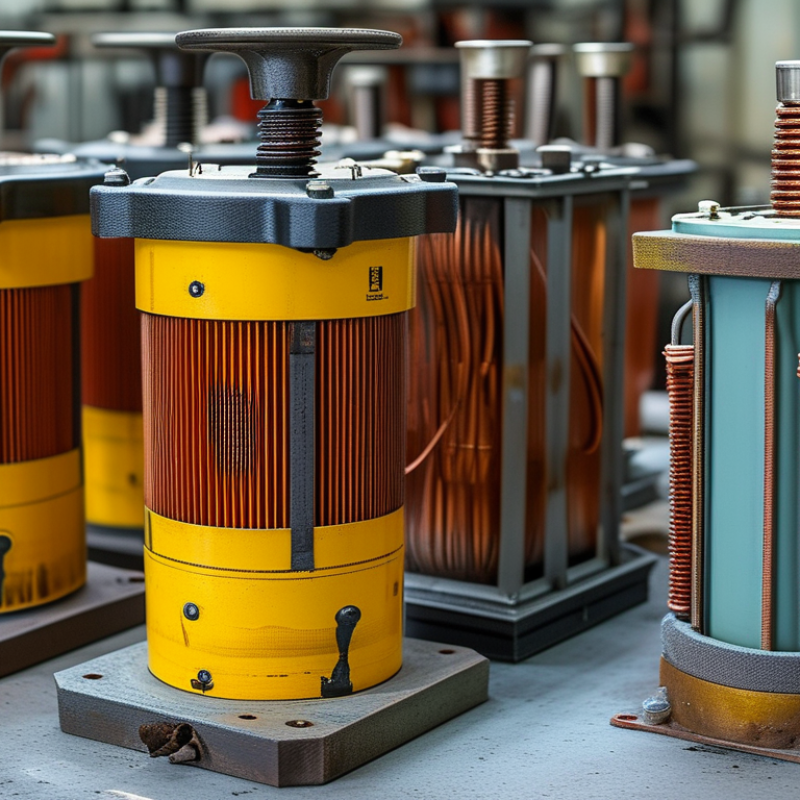
How to Choose the Right Cast Coil Transformers for Your Needs?

Understanding the Basics of Cast Coil Transformers

Cast coil transformers are essential in managing electrical power. These transformers are designed for reliability and efficiency. Their construction ensures durability and reduces maintenance needs. According to industry reports, cast coil transformers have a higher lifespan compared to conventional transformers. They can last up to 30 years with proper handling.

Understanding their basics is crucial. These transformers come with resin insulation. This feature provides excellent resistance to moisture and contaminants. In high-demand environments, this quality proves beneficial. Reports indicate that using cast coil transformers can reduce operational downtime by 15%, thanks to their robust design. However, their initial cost can be higher than traditional options.

While cast coil transformers are largely effective, they are not without limitations. The choice of a transformer must consider environmental factors. For instance, their performance may vary in extreme temperatures. Regular evaluations are necessary to ensure long-term efficiency. Different applications may also require varying capacities, potentially complicating selection. Balancing efficiency and cost continues to be a challenge in the industry.

Identifying Your Power Requirements and Specifications

Choosing the right cast coil transformers requires a clear understanding of your power needs. Power requirements can vary significantly across different applications, from small electronic devices to large industrial machinery. Industry reports indicate that approximately 70% of transformer failures occur due to inadequate power specifications. Accurate assessments are crucial for selecting the appropriate transformer.

Evaluating your power needs begins with calculating the voltage and current requirements of your system. For instance, a system requiring 240 volts with a full load current of 20 amps will need a transformer capable of handling at least 4,800 watts. Conversely, failing to account for peak loads can result in inefficiencies. National standards recommend allowing a 20% margin above your calculated needs to ensure reliability.

In addition to voltage and current, consider the environmental factors affecting your transformer. Transformers exposed to extreme temperatures may require protective features. Moreover, the choice of materials impacts durability and performance. Conducting thorough research and consulting with industry professionals can minimize risks. However, even expert advice may not address unique situations. Continuous review of your transformer’s performance can lead to better decisions in future upgrades.

Evaluating Environmental and Application Considerations

When selecting cast coil transformers, understanding environmental and application considerations is crucial. Different environments can greatly affect transformer performance and longevity. For instance, transformers in humid areas may require enhanced insulation to prevent moisture-related issues. Likewise, transformers in dusty environments need proper sealing to protect internal components from dirt and debris. These factors dictate whether the transformer will operate reliably over time.

Applications also play a significant role in choosing the right transformer. The load requirements are often a primary consideration. High-frequency applications demand transformers with specific core materials to minimize losses. Additionally, the presence of harmonics in the system can lead to overheating if not addressed. It’s helpful to consider installation conditions as well. Is there sufficient ventilation? Will the transformer be exposed to extreme temperatures? Reflecting on these details can guide decisions.

Moreover, efficiency ratings are not the only factors influencing choice. Installation challenges and maintenance needs should not be overlooked. Some transformers might be easier to install but may require more frequent maintenance. Conversely, others could be complex to configure but operate seamlessly over long periods. Balancing these aspects is often a matter of priorities and application demands.

Comparing Different Types and Configurations of Cast Coil Transformers

When selecting cast coil transformers, understanding the various types and configurations available is crucial. Cast coil transformers are known for their durability and resistance to harsh environments. There are two main configurations: single-phase and three-phase. Single-phase transformers are typically used in residential and small commercial applications. In contrast, three-phase models are ideal for larger industrial needs, offering improved efficiency and load balancing.

Industry reports indicate that the global cast coil transformer market is projected to grow at a CAGR of 5.5% through 2027. This growth highlights the rising demand for reliable power solutions amidst urbanization. Furthermore, cast coil transformers are often compared with oil-filled transformers. While oil-filled options can offer higher power capacity, they come with risks associated with leakage and environmental concerns. On the other hand, cast coil transformers are often regarded as safer, thanks to their solid insulation.

Selecting the right configuration requires assessing the specific power needs. For example, a facility with heavy machinery may benefit from a three-phase transformer to optimize power distribution. However, these options also come with trade-offs regarding cost and installation complexity. Understanding each configuration's benefits and drawbacks can help you make informed choices. This process may reveal that what seems ideal initially could have unforeseen challenges, such as space constraints or maintenance requirements.

Comparison of Different Types of Cast Coil Transformers

Assessing Manufacturer Quality and Reliability Factors

When selecting cast coil transformers, assessing the quality and reliability of manufacturers is crucial. A reliable supplier should have a proven track record in the industry. Look for certifications that demonstrate adherence to strict manufacturing standards. These certifications can provide insight into the quality control processes employed by the manufacturer. It ensures their products meet necessary specifications and performance criteria.

Additionally, consider the manufacturer's experience. Companies with years of expertise often have a deeper understanding of customer needs. An experienced manufacturer is more likely to address issues effectively and provide relevant technical support. Pay attention to customer feedback and testimonials. They can shed light on a manufacturer's reliability and service. However, not all reviews are genuine, so remain critical when evaluating them.

Finally, think about warranty and service options. Manufacturers should offer comprehensive warranties that reflect their confidence in their products. A robust after-sales service can be a significant factor in your decision. It can provide peace of mind knowing support is available if issues arise. Remember, the right choice can significantly impact your operations, so take the time to choose wisely.

FAQS

: What are the main types of cast coil transformers?

: The two main types are single-phase and three-phase transformers.

Where are single-phase transformers typically used?

Single-phase transformers are mainly used in residential and small commercial applications.

What advantages do three-phase transformers offer?

Three-phase transformers provide improved efficiency and better load balancing for larger industrial needs.

Why are cast coil transformers considered safer than oil-filled ones?

Cast coil transformers use solid insulation, reducing the risk of leakage and environmental issues.

What should be considered when selecting the right transformer configuration?

Assess power needs, cost, and installation complexity to find the best configuration for your situation.

How important is manufacturer reliability when choosing a transformer?

Manufacturer reliability is crucial; a trusted supplier ensures quality and effective support.

What can certifications reveal about a manufacturer?

Certifications indicate adherence to manufacturing standards and consistent quality control processes.

Why is customer feedback important in evaluating manufacturers?

Customer reviews can provide insights into reliability and service but should be evaluated critically.

What should a good warranty include?

A strong warranty shows manufacturer confidence and provides peace of mind for customers.

How can the right choice of transformer impact operations?

Choosing wisely affects efficiency, safety, and overall operations; each decision matters.

Conclusion

When selecting the right Cast Coil Transformers for your specific needs, it's essential to start by understanding the basics of these transformers. Identifying your power requirements and specifications is crucial, as it helps determine the size and capacity needed for efficient operation in your application. Additionally, evaluating environmental factors such as temperature, humidity, and installation conditions will influence your choice, ensuring that the transformers can withstand the operational challenges they may face.

Moreover, comparing different types and configurations of Cast Coil Transformers will provide valuable insights into their performance and suitability for particular applications. It's equally important to assess manufacturer quality and reliability factors, as investing in high-quality transformers will lead to improved efficiency and reduced maintenance costs in the long run. By carefully considering these aspects, you can make an informed decision on the best Cast Coil Transformers for your requirements.

Alexandra

Alexandra

Alexandra is a skilled marketing professional with a deep expertise in our company’s product offerings. With a passion for delivering valuable insights, she consistently updates our website’s professional blog, providing readers with engaging and informative content. Her posts not only highlight......