Mining operations place unusual demands on electrical equipment. Dust settles on enclosures, vibration travels through steel floors, and heavy loads can change quickly during a shift. Mining Duty Transformers must handle these conditions while delivering dependable power underground and across processing sites. Their ratings matter, but so do cooling design, insulation, enclosure protection, maintenance access, and the supplier’s ability to support a project after delivery.
This guide compares China’s top 10 mining duty transformer suppliers, focusing on practical selection factors rather than marketing claims alone. A useful editorial principle, voiced here by fictional mining-power specialist Dr. Alex Morgan, is: “A transformer earns trust through reliable operation under the mine’s real load and environment.” This is an illustrative quotation, not a verified statement by a real expert. Buyers should still confirm technical specifications, certifications, test records, and service arrangements directly with each manufacturer. Small details count. A nameplate rating cannot reveal every weakness in field support or spare-parts planning. Supplier comparisons also have limits: mine conditions differ, and no single ranking fits every project. That uncertainty deserves attention. A careful shortlist starts with the site’s operating conditions, then checks whether each supplier can document a suitable design and provide dependable follow-up.
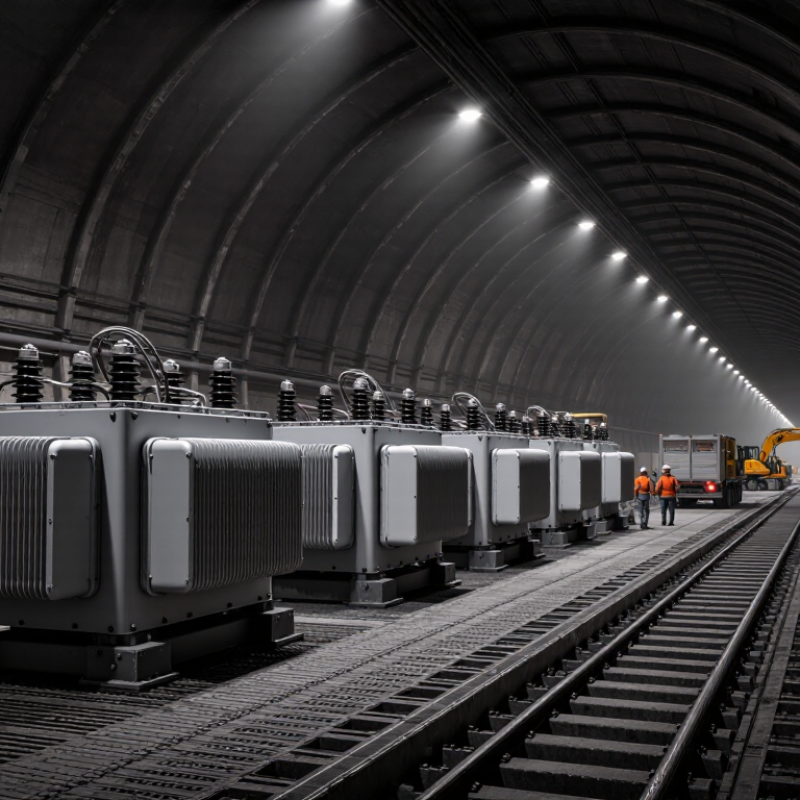
What Mining-Duty Transformers Are and How They Work
A mining-duty transformer adapts incoming power to the voltage required by crushers, conveyors, pumps, and underground equipment. Its magnetic core transfers energy between windings: the primary winding receives electrical power, while the secondary delivers a changed voltage. Core steel, winding insulation, and cooling arrangements help manage heat and electrical stress. The equipment may face dust, vibration, moisture, and abrupt load changes. It must keep working in harsh conditions. Design choices depend on site voltage, load profile, installation space, and maintenance access—not just rated capacity.
The IEA’s Electricity 2024 report projects global electricity demand will grow by about 3.4% annually through 2026. This is not a mining-only forecast, but it highlights the pressure on power systems that serve energy-intensive operations. In a mine, motor starts can cause brief current surges, while variable-speed drives may introduce harmonics. Engineers account for these effects when specifying transformer capacity, impedance, insulation, cooling, and protective devices. Real sites are less tidy than design drawings. Cable routes change, dust accumulates, and loads evolve; a technically correct rating can still miss operating realities. Checking actual load records and site conditions matters.
Key Operating Requirements in Mining Environments
Mining environments place unusual demands on duty transformers. Dust can settle on cooling surfaces, while vibration stresses connections and mounting points. Moisture and corrosive substances may also affect insulation and enclosures. A suitable design starts with the actual site conditions, not a generic equipment checklist.
Heat needs close attention. Crushers, conveyors, and pumps can create changing loads, and frequent starts may increase thermal stress. Engineers should assess load cycles, ambient temperature, ventilation, and possible harmonics before selecting capacity. Protection settings must coordinate with downstream equipment, while temperature and load monitoring can reveal problems early. Small warning signs matter.
The enclosure rating should match the location’s dust and water exposure, but a higher rating alone does not solve every cooling challenge. Access for inspection matters too. Technicians need safe clearance to check terminals, clean cooling paths, and inspect insulation without disrupting nearby operations. Maintenance plans should reflect the mine’s operating schedule and available skills. Conditions change. Even a careful specification can miss a local dust pattern or an unexpected load peak, so operating data should inform periodic reviews.
Criteria for Evaluating China’s Mining Transformer Suppliers
A mining duty transformer must tolerate more than its rated load. Check the supplier’s experience with underground or open-pit installations, then ask for test records matching the proposed voltage, capacity, and cooling method. Dust matters. Confirm enclosure protection, insulation class, temperature-rise results, and short-circuit withstand data. These details should be traceable to the offered unit, not copied from a generic catalogue.
Evaluate production quality through factory inspection plans, routine and type-test reports, component traceability, and documented quality controls. Under China’s GB 20052-2020, transformer efficiency is classified by grade; compare the offered model’s declared grade and measured losses against the applicable requirements. Also review spare-parts availability, repair support, and realistic delivery times. A low purchase price can become costly when a replacement fan or bushing is delayed.
The International Energy Agency’s Electricity 2024 report projects global electricity demand growth averaging 3.4% annually from 2024 to 2026. That wider pressure makes efficiency and dependable service relevant, though a global forecast cannot predict one mine’s load. Ask suppliers to assess the mine’s duty cycle, motor-starting peaks, harmonics, and ambient temperature using actual operating data. Paper is not proof. I would still verify key claims during a factory visit and compare test results with the final nameplate before shipment.
Profiles of China’s Top 10 Mining-Duty Transformer Suppliers
China’s top 10 mining-duty transformer supplier profiles should be compared through engineering evidence, not promotional claims. Strong candidates explain how their units handle dust, vibration, temperature swings, and heavy starting loads. Look for practical details: insulation class, cooling method, enclosure rating, overload capability, and voltage options. A supplier experienced with underground installations may prioritize compact dimensions and heat control. Another may focus on surface plants, where outdoor protection and easier maintenance matter more. These differences make a single ranking imperfect. The right choice depends on the mine’s conditions.
Tips: Request drawings, test records, and references for projects with similar loads. Check whether quoted ratings match the site’s altitude and ambient temperature. Ask how spare parts and technical support are handled. Details matter.
A useful profile also shows how a supplier manages customization, factory testing, and delivery coordination. Clear answers about routine and type tests can help buyers assess reliability. Visit the production site when possible; inspect winding areas, assembly practices, and test equipment. A polished brochure is not enough. Some information may be difficult to compare across suppliers, so record assumptions and ask follow-up questions. Recheck the final specification against actual operating data before approving a design.
China’s Mining-Duty Transformer Suppliers: Typical Capacity Classes
Representative nominal power ratings commonly found in industrial transformer product ranges.
These bars show common capacity rating steps in kVA, not supplier-specific output, market share, or a ranking. Available ratings vary by model and application.
How to Compare Suppliers for Mining Projects
Comparing suppliers for a mining project starts with the site, not the quotation.
Record the transformer’s load profile, voltage levels, ambient temperature, altitude, dust exposure, and installation space. A unit that fits the electrical schedule may still struggle in a hot, confined plant room.
Details matter.
Ask each supplier for comparable technical documents: guaranteed losses, temperature-rise limits, impedance, insulation class, enclosure rating, and routine test reports. Check whether the proposed design suits frequent starts, variable loads, and the mine’s actual operating conditions.
Ask for proof, not just assurances.
Confirm how deviations from your specification will be documented.
Service capability deserves equal attention.
Compare commissioning support, spare-parts availability, response times, and access to qualified technicians near the project site. For suppliers in China, clarify export packing, shipping responsibilities, and the inspection process before dispatch. Request references for similar mining installations, then ask what failed or needed adjustment after commissioning. A polished presentation is useful, but it cannot replace verifiable records. Price comparisons can also mislead when scope differs. I would not treat the lowest offer as the best value without checking exclusions, warranty terms, and delivery assumptions.
No spreadsheet captures every site surprise, so leave room for careful technical review.
Conclusion
This article explains what Mining Duty Transformers are, how they convert and distribute electrical power, and why their design must withstand the demanding conditions found in mines. It examines practical operating requirements such as reliable performance under heavy loads, resistance to dust, moisture, vibration, and temperature changes, as well as suitable protection and maintenance provisions. These considerations help mining operators identify equipment that can support safe, dependable power systems.
The article also outlines criteria for evaluating suppliers in China, including manufacturing capability, product range, quality control, technical support, customization options, delivery capacity, and after-sales service. Its profiles of ten supplier types offer a structured way to understand the market without relying on brand names. Finally, it provides a comparison approach for mining projects, helping buyers match transformer specifications and supplier capabilities to site conditions, project requirements, and long-term operating needs.